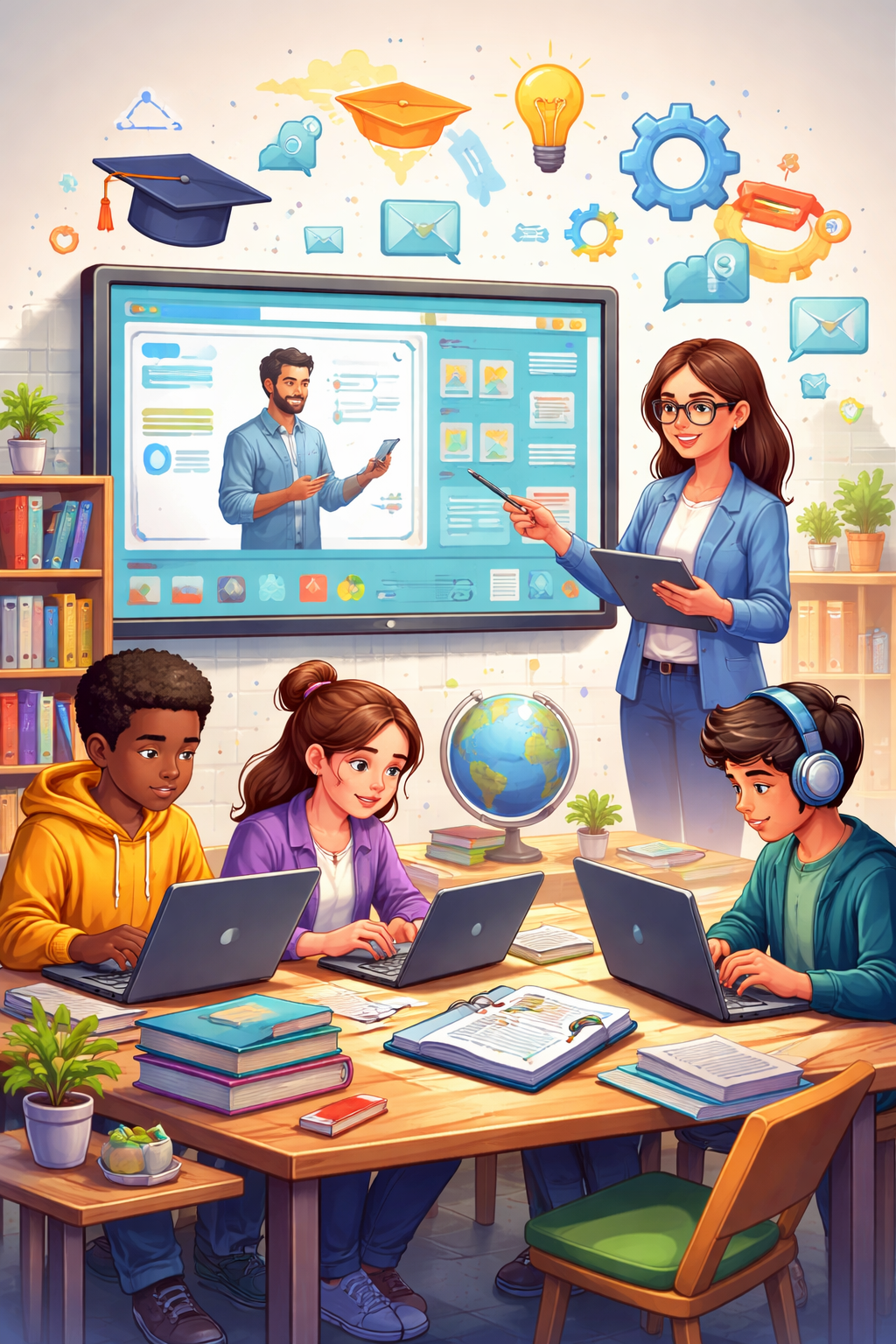
Education is one of the most powerful tools a person can have. It opens doors to new opportunities, improves confidence, and helps people build a better life. In today’s digital age, education is changing very fast. Technology, online learning, and new teaching methods are shaping the future of students around the world. This article explains how education is evolving, why it is important, and how students can succeed in modern learning.
The Importance of Education
Education is not just about reading books or passing exams. It helps people think clearly, solve problems, and make smart decisions. A good education also teaches values such as respect, honesty, and responsibility. When people are educated, they can find better jobs, earn more money, and support their families.
Education also helps society grow. Countries with strong education systems often have better healthcare, stronger economies, and lower crime rates. When children receive quality education, they can become doctors, engineers, teachers, and leaders who improve their communities.
How Technology Is Changing Education
Technology has changed the way students learn. In the past, students had to sit in classrooms and depend only on teachers and textbooks. Today, learning is available online. Students can watch video lessons, join online classes, and read digital books from anywhere.
Online learning platforms make education more flexible. Students can study at their own speed. If they do not understand a topic, they can watch the lesson again. This makes learning easier and more comfortable.
However, technology also brings challenges. Not all students have access to the internet or devices. Some students may feel distracted when studying online. That is why balance is important. Schools should combine traditional teaching with digital tools.
Skills Needed in Modern Education
In today’s world, students need more than just academic knowledge. They must develop practical skills that help them succeed in real life. Some important skills include:
1. Critical Thinking
Students should learn how to analyze problems and think deeply. Instead of memorizing answers, they should understand concepts and ask questions.
2. Communication Skills
Good communication helps students express their ideas clearly. It is important in school, work, and personal life.
3. Digital Skills
Basic computer knowledge is necessary today. Students should know how to use online tools safely and effectively.
4. Teamwork
Working with others teaches cooperation and respect. Many jobs require teamwork, so this skill is very valuable.
The Role of Teachers
Teachers play a very important role in education. They do more than teach lessons. They guide, support, and inspire students. A good teacher understands students’ needs and helps them improve.
In the digital age, teachers must also learn new skills. They need to use technology in the classroom and create interactive lessons. When teachers continue learning, they can provide better education.
Challenges in Education
Even though education has improved, many challenges still exist. Some students drop out of school because of financial problems. Others face issues such as lack of resources or poor teaching quality.
Another challenge is stress. Many students feel pressure to get high grades. This can affect their mental health. Schools should focus not only on marks but also on student well-being.
Governments and communities must work together to solve these problems. Providing scholarships, improving school facilities, and training teachers can make a big difference.
The Importance of Equal Education
Every child deserves education, whether rich or poor. Equal education means giving the same opportunities to boys and girls, and to students from different backgrounds.
When girls receive education, they can build careers and become independent. Educated women often help improve family health and income. Equal education creates a stronger and fairer society.
Lifelong Learning
Education does not stop after school or university. Learning is a lifelong process. Adults should continue learning new skills to stay updated in a changing world.
For example, many people take online courses to improve their knowledge. Others attend workshops or read books to develop new skills. Lifelong learning helps people grow personally and professionally.
The Future of Education
The future of education looks exciting. Artificial intelligence, virtual classrooms, and interactive learning tools are becoming common. Students may soon use virtual reality to explore history or science in a more engaging way.
However, the main goal of education will remain the same: helping people become better individuals and responsible citizens. Technology should support learning, not replace human connection.
How Students Can Succeed
Students can succeed by following simple steps:
-
Set clear goals for learning.
-
Manage time wisely.
-
Ask questions when confused.
-
Practice regularly.
-
Stay positive and confident.
Success does not come overnight. It requires hard work, patience, and dedication.
Conclusion
Education is the foundation of a successful life. In the digital age, learning has become more flexible and accessible. Technology offers many opportunities, but students must also develop important life skills. Teachers, parents, and governments all have a role in improving education systems.
When students focus on learning, build strong skills, and continue growing, they can create a bright future for themselves and their communities. Education is not just about getting a degree. It is about building knowledge, character, and confidence that last a lifetime.